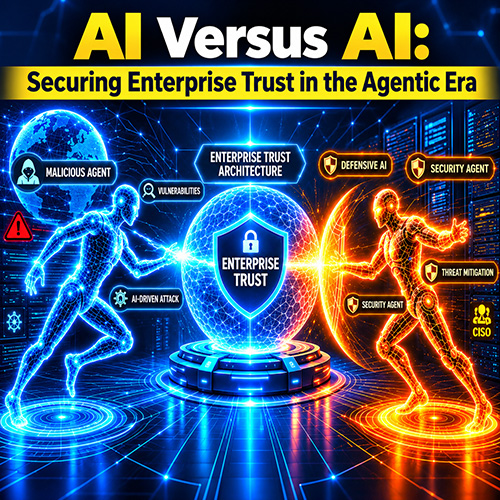
As India accelerates towards an AI-first digital economy, cybersecurity is entering a new phase. AI-generated attacks, deepfakes and synthetic identities are challenging traditional defences, while autonomous agents and expanding digital ecosystems introduce additional security risks. Attackers are using AI to operate faster and at greater scale, while enterprises are adopting the same technology across business operations, often faster than they can govern it. At the same time, evolving data-security and privacy requirements are compelling businesses to rethink how they protect sensitive information and maintain trust across digital interactions.
This changing threat landscape presents a significant opportunity for cybersecurity companies and deep-tech startups to develop the next generation of AI-powered security solutions. The focus is no longer limited to detecting and responding to known threats. It is increasingly shifting towards intelligent, adaptive and proactive security technologies that can anticipate emerging risks, protect critical data, support compliance and strengthen enterprise resilience. A parallel challenge is also emerging: securing AI itself, from the agents that now access sensitive data and take actions across workflows to the models and applications that enterprises deploy internally.
Data protection and recovery are equally important. Enterprises need to know where critical information resides, who can access it and whether it can be trusted. They must also be prepared to restore operations when preventive controls fail. Compliance increasingly requires continuous monitoring and evidence of effective controls.
Against this backdrop, VARINDIA spoke to a cross-section of industry leaders in the cybersecurity space on how AI is transforming their approach to detecting, preventing and responding to emerging threats, how their solutions strengthen data security, privacy and compliance, and what differentiates their technology. Their responses point to common themes: AI-led defence, identity and access control for humans and machines, governance and human oversight, and measurable security outcomes that build trust.
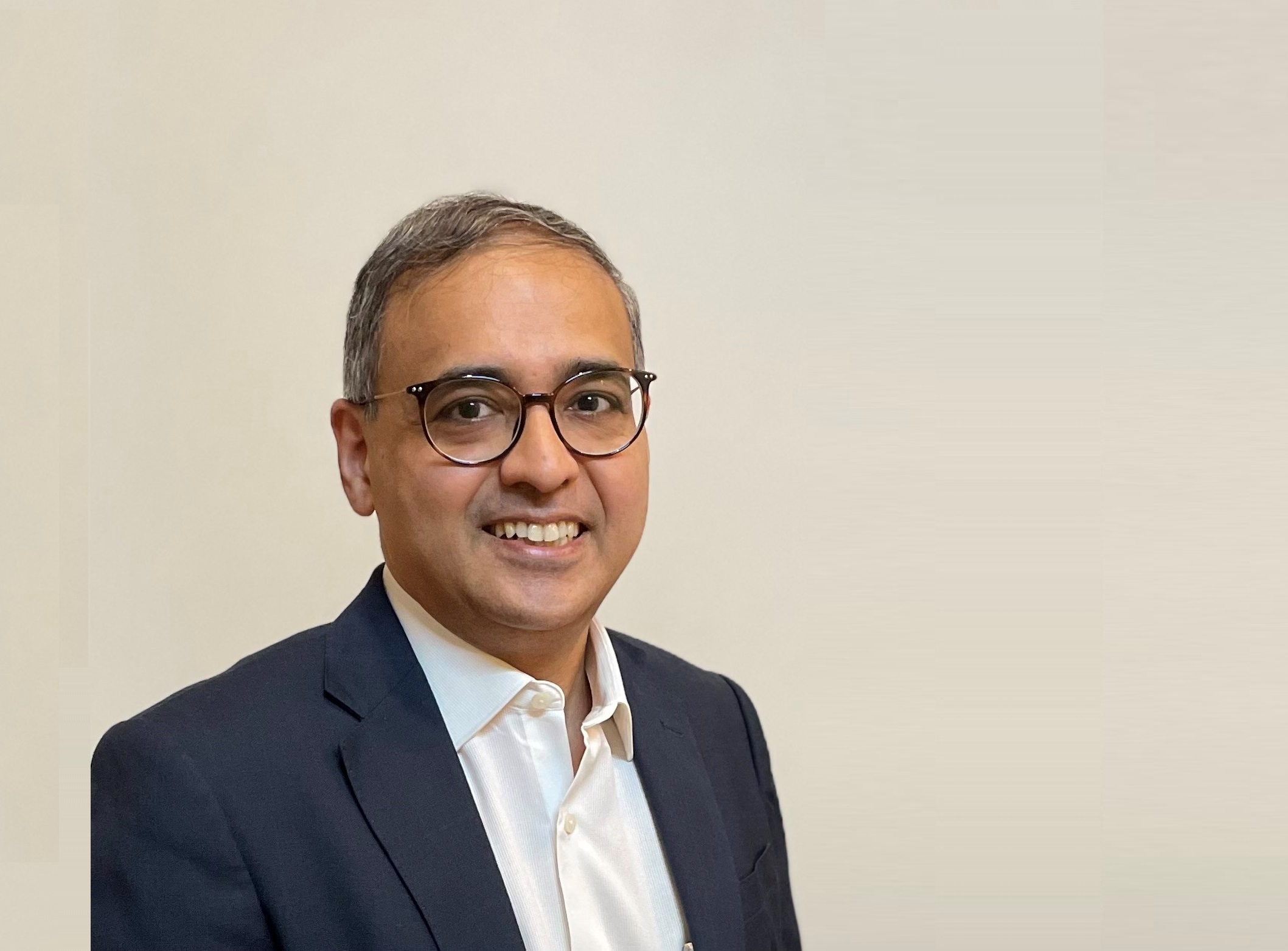 Balaji Rao Area Vice President, India & SAARC, Commvault
Data access governance anD cyber recovery are critical to securing aI aDoption
“AI is rewriting the rules of cybersecurity. Attacks are becoming faster and more sophisticated, but within enterprises AI agents and applications are gaining access to growing volumes of business data. This creates a new security challenge. Organisations can no longer rely on perimeter defences alone; they must control what data people and AI systems can access, how it is being used, and whether that access is appropriate.
For Indian enterprises, data access governance must become a foundational security control. With Commvault Data Access Manager, powered by Satori, organisations can continuously discover and classify sensitive data across cloud, SaaS and other environments, identify exposure risks, and apply consistent access policies to human users and AI systems. Dynamic masking and redaction can protect sensitive information within AI prompts before it reaches a model, while centralised audit trails help teams demonstrate that governance controls are being enforced, rather than simply documented, and support evolving regulatory obligations.
However, access governance and prevention are only part of the equation. No defence can eliminate every risk, so organisations must identify trusted recovery points and restore business-critical data without reintroducing threats. By bringing data access governance, data security and cyber recovery together, Commvault helps organisations address risks across the data lifecycle. As India accelerates its AI adoption, the priority is to enable innovation without losing control of sensitive data, while ensuring businesses can recover with confidence.”
 Cynthia Lee Vice President APAC, Delinea
continuous authorisation anD least privilege are key to securing aI iDentities
“AI helps attackers run phishing and harvest credentials faster, while deepfakes and synthetic identities make lures harder to spot. If an AI identity is compromised, attackers may use it to trigger workflows and take privileged actions at machine speed. Delinea’s research shows 34% of Indian organisations caught their latest AI scope violation as it happened, against 20% globally. Enterprises need AI to control what those identities can do, applying least privilege and Zero Trust to every agent.
Enterprises need to know what data an AI tool can reach and for how long. Our research found 99% of Indian organisations have a formal AI data access policy, yet 84% say an AI tool accessed sensitive data beyond its intended scope in the past year. Continuous authorisation closes that gap by controlling what each identity can access when an action is attempted. As the DPDP Act takes effect, enterprises will be asked to prove who authorised each access decision and what the agent did.
Delinea controls what every identity, from AI agents to employees, can do after access is granted. We authorise each action just in time and apply least privilege across on-premises and multi-cloud infrastructure. Only 47% of Indian organisations can always trace a sensitive AI access event back to its approver. Delinea improves traceability by linking every access decision to an approver, with session visibility and a defensible record.”
 Debasish Mukherjee Vice President, Regional Sales APJ, SonicWall Inc.
unifieD visibility anD aI-powereD analytics strengthen
enterprise resilience
“AI enables proactive cybersecurity by analyzing large datasets, detecting anomalies, correlating signals, prioritizing risks, identifying unknown malware, and automating responses. As attackers use AI for phishing, deepfakes, polymorphic malware, and automated campaigns, intelligent defenses accelerate detection, investigation, and containment while complementing human expertise, policies, and monitoring. SonicWall combines network, endpoint, cloud, and managed detection capabilities with RTDMI, AI-powered analytics, centralized visibility, and expert services to strengthen resilience and counter evolving cyber threats.
Our solution strengthens data security and privacy through layered threat prevention, encryption, identitybased access controls, continuous monitoring, and rapid incident response across networks, endpoints, and cloud environments. Centralized visibility, policy enforcement, and detailed reporting support audit readiness and compliance. Automated controls and regularly updated protections adapt to emerging threats and changing regulations, while flexible deployment and data-governance capabilities help enterprises meet industry and regional requirements, reduce risk, demonstrate accountability, and maintain operational efficiency at scale without adding complexity or overhead.
SonicWall differentiates through a unified, AI-powered security platform combining real-time threat intelligence, RTDMI, and network, endpoint, cloud, and managed detection capabilities. Its scalable architecture protects distributed enterprises without increasing operational complexity. Proactive analytics identify unknown threats, prioritize risks, and automate response before attacks escalate. Centralized visibility, consistent policy control, and expert-led services strengthen resilience, while measurable outcomes—including faster detection, reduced dwell time, fewer incidents, and simplified management—demonstrate clear security and operational value across evolving enterprise environments.”
 Dipesh Kaura Country Director, India and SAARC, Securonix
securing aI agents is central to enterprise cyber resilience Dipesh Kaura Country Director, India and SAARC, Securonix
Securonix is transforming security operations with the industry’s first Unified Defense SIEM with Agentic AI, bringing detection, investigation, and response together across the threat lifecycle. The platform uses User and Entity Behavior Analytics (UEBA) to establish behavioral baselines across users, identities, assets, applications, and cloud environments, helping teams identify compromised accounts, insider activity, lateral movement, privilege misuse, and other anomalous behavior. Agent and Entity Behavior Analytics (AEBA) extends behavioral risk detection to AI agents, service identities, workflows, and agent actions, giving security teams greater visibility as AI becomes more active across the enterprise.
Sam, the AI SOC Analyst, executes Tier 1 and Tier 2 work across triage, investigation, and response, reducing repetitive analyst workload and helping teams focus on complex threats and decisions that require human judgment. The Agentic Mesh coordinates specialized AI agents across security workflows, while Agentic Guardrails keep actions policy-bound, explainable, auditable, reversible where applicable, and humansupervised. Analysts retain control over consequential actions throughout these security workflows.
Securonix measures AI value through completed analyst work and time returned to the SOC, including investigations completed, manual work avoided, and response time reduced when those measures are available. These measures help teams assess the contribution of AI to security operations. Together, UEBA, AEBA, governed AI, and behavioral context help security teams improve investigation speed, expand SOC capacity, strengthen oversight, and deliver measurable security outcomes across the threat lifecycle.
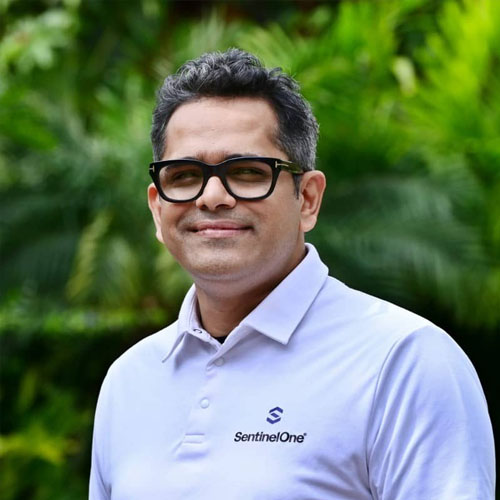 Diwakar Dayal MD & Area Vice President, India & SAARC, SentinelOne
cybersecurity anD governance must be integral to InDia’s aI ambitions
“As India moves towards an AI-first economy, cybersecurity must be treated as a business imperative, not an afterthought. AI is creating significant opportunities for innovation and productivity, but it is also changing the scale and sophistication of cyber threats. Enterprises must move beyond reactive security towards AIled defence that can anticipate emerging risks and respond at speed. This requires organisations to consider security alongside their business priorities and ensure that their approach evolves as AI adoption grows.
The next challenge is securing AI itself. As organisations embed AI across business operations, they need clear visibility into data access, robust governance and accountability for how AI systems act. Greater autonomy must go hand in hand with appropriate guardrails and human oversight. Enterprises need to understand what information AI systems can access, how that access is used and where human judgment remains essential. Clear accountability must remain central as AI use expands across business operations.
India has an opportunity to build digital trust into its AI ambitions from the outset. Organisations that make security integral to AI adoption will be better positioned to protect critical information, strengthen resilience and innovate with confidence. The priority is to bring innovation, governance and security together, so that businesses can pursue the opportunities of AI while maintaining trust in how it is deployed and used.
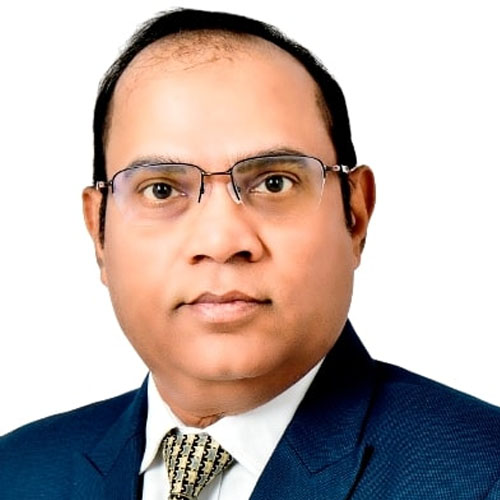 Jitendra Ghughal Senior Director – Channel Management, Fortinet
IntegrateD aI-powereD security strengthens enterprise resilience anD partner profitability
“Artificial intelligence is fundamentally reshaping cybersecurity, both as a powerful tool for defenders and as a capability increasingly leveraged by cybercriminals. Attackers are using AI to automate reconnaissance, create more convincing phishing campaigns, accelerate malware development, and identify vulnerabilities faster than ever before. As a result, organisations need security solutions that can operate at machine speed to detect and respond to threats before they cause harm. At Fortinet, AI is embedded across the Fortinet Security Fabric through FortiAI, helping customers strengthen threat detection, streamline security operations, and secure the use of AI. Equally important is securing AI itself.
This is a regulatory imperative. With frameworks like the EU AI Act and privacy mandates, compliance can no longer be a point-in-time checklist. Organizations must prove where sensitive data resides, which models or agents can access it, and how decisions are generated. Our architecture embeds governance into the AI lifecycle. Combining fine-grained, context-aware access controls with end-to-end data lineage and immutable auditability, we prevent sensitive data exposure at the prompt and API layer, making compliance an automated byproduct of strong
What differentiates Fortinet is its platform-based approach that converges networking and security into a single, integrated architecture. Through the Fortinet Security Fabric, customers benefit from consistent, AIdriven protection across hybrid environments, while partners benefit from a simpler, more scalable way to deliver security outcomes. The combination of operational simplicity and expanded cross-sell potential helps partners grow profitability while delivering measurable cyber resilience for customers.”
 Mandar Patil Executive Vice President, Cyble
aI-Driven intelligence helps close the gap between threat Detection anD response
“Attackers have adopted AI faster than most defenders. It now takes minutes to generate convincing phishing in regional languages, clone an executive’s voice, or turn a newly disclosed vulnerability into a working exploit. The gap is not detection alone; it is the time between a signal appearing and someone acting on it. Our focus has been on closing that gap, using AI agents to correlate dark web chatter, exposed assets and threat data continuously, so analysts spend their time on decisions rather than sorting alerts.
On data protection, the warning signs usually appear outside the organisation before any internal tool flags them: employee credentials sold on a forum or a cloud storage bucket left open. With the DPDP Act raising accountability for personal data, and CERT-In’s six-hour reporting window, enterprises need to know about an incident early and be able to show what they did about it.
What enterprises tell us they struggle with is fragmentation. Intelligence sits in one tool, attack surface data in another, incident response with a third team. We bring these onto a single platform so context carries from detection to response. The test of any security investment should be measurable outcomes: how many exposures were found before attackers used them, how quickly malicious sites were taken down, how much faster teams responded. That is the standard we hold ourselves to.”
 Mathew Graham Chief Security Officer, APAC, Okta
IDentity security is essential to aDopting aI with confiDence anD control
“AI is creating two immediate challenges for enterprises: attackers can move faster and operate at greater scale, while businesses are deploying agents that need access to sensitive data and systems. Both require a stronger approach to identity security. At Okta, with Identity Threat Protection with Okta AI, we use AI and machine learning to continuously assess risk, drawing on signals from our platform and security partners. When risk changes, we can require further verification or end a session, helping contain threats before they spread. A successful sign-in should not mean access goes unchecked.
For AI agents, businesses need to answer four questions: Where are my agents? What can they do? What are they doing? How do we respond when risks emerge? Every agent needs an accountable owner, appropriate permissions and a traceable record of access. We’re a founding member of the Blueprint Alliance, working with leaders including AWS, CrowdStrike, Salesforce, and Zscaler on a shared architecture for securing AI agents.
Our identity security fabric brings together access management, governance, privileged access and threat protection for human, machine and AI identities. Access reviews and audit records provide evidence to support evolving compliance requirements. Enterprises should measure progress through reduced excessive access, faster removal of unnecessary permissions and quicker containment of compromised identities. The goal is to give businesses the confidence to adopt AI while maintaining visibility, control and accountability.”
 Rajeev Gupta Director – Sales, India & SAARC, Sophos
prevention-first security combines aI anD human expertise to strengthen resilience
“AI is transforming both the scale of cyberattacks and the speed at which organisations must defend themselves. Attackers are increasingly using AI to create convincing phishing campaigns, automate reconnaissance and exploit weaknesses, making traditional, reactive security approaches insufficient. At Sophos, we combine AI-driven detection, prevention and threat intelligence with human expertise to identify suspicious behaviour earlier and help organisations respond before threats escalate.
As enterprises adopt generative AI and autonomous tools, protecting sensitive information requires greater visibility into how these technologies are being used and what data they can access. Sophos AI Defense helps organisations gain visibility into AI application usage and enforce policies. These controls can support organisations in strengthening data protection, managing risk and meeting evolving security and compliance requirements, alongside appropriate governance and regulatory processes.
What differentiates Sophos is our prevention-first approach, combining AI, connected security technologies and expert-led threat response rather than treating individual alerts in isolation. Our agentic security operations capabilities are designed to accelerate investigations and automate responses where appropriate, while retaining human expertise for complex threats. Sophos has reported that AI resolves 52% of cases end to end in its managed detection and response operations, with an average automated response time of 89 seconds. For enterprises, the objective is to move beyond detecting threats to reducing risk, improving response times and building resilience as their digital ecosystems become increasingly complex.”
 Rajesh Gupta VP & Cloud Business Head, Tata Teleservices
Responsible Digital habits anD continuous vigilance are key to cyber resilience
“Cybersecurity often comes down to the small things we do every day. A reused password, excessive access privileges or a link clicked without verification can create an opening for cybercriminals. Such everyday lapses can leave an organisation exposed, reinforcing the importance of responsible digital habits. Yet, as threats become more sophisticated, the SME Digital Insights Study 2026 on Cybersecurity highlights a significant gap: only 12% of SMEs surveyed have implemented continuous 24/7 monitoring capabilities.
At Tata Tele Business Services, we believe that building cyber resilience requires a combination of responsible digital habits, the right security controls, and continuous vigilance. From enabling multi-factor authentication and regularly reviewing access permissions to keeping systems securely configured and monitoring for threats around the clock, every measure plays a role in strengthening an organisation’s defences. Bringing these practices together helps businesses make security a consistent part of their operations, with attention to both everyday actions and ongoing protection.
This Cybersecurity Awareness Month, the theme ‘Don’t Make It Easy for Them’ is a timely reminder that cybersecurity is a shared responsibility. By making security a part of everyday business practices and investing in the right protection, organisations can reduce vulnerabilities, safeguard critical data, and build lasting trust with their customers and partners. Small, consistent actions can support these efforts and reinforce the importance of continuous vigilance across the organisation.”
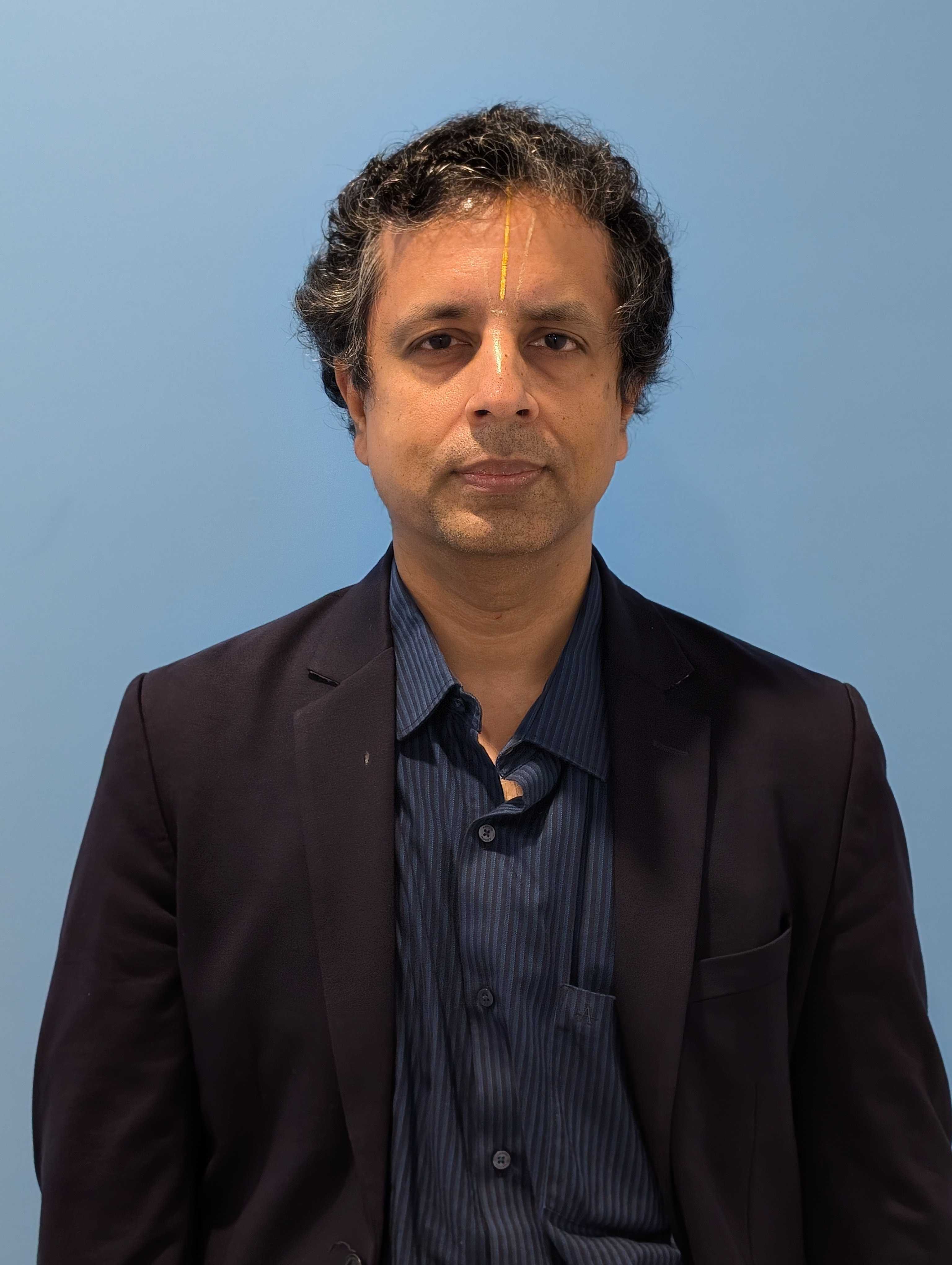 Rangarajan Srirangam Senior Regional Vice President, Solution Engineering – India, Snowflake
IntegrateD security anD governance are founDational to trusteD agentic enterprises
“Trust is the foundation of any agentic enterprise. As AI agents move out of the lab and into daily operations, they increasingly access sensitive data, interact with applications, and take actions across business workflows. When AI has that level of reach, security can’t be something you try to patch on later; it has to be built into your data and AI foundation from day one. At Snowflake, our approach is to secure the full AI workflow: protect the data, secure the model and govern the agent.
Snowflake Horizon Catalog gives teams a single, connected baseline for governance and context. Snowflake Trust Center takes that further with AI Security Posture Management, giving organisations a clear line of sight to catch misconfigurations, monitor runtime safety and investigate unusual agent activity. Through Agent Identity, every action an agent takes is traceable and auditable, while built-in guardrails help block risks like prompt injection. Cortex AI Gateway brings identity, policy and audit controls to how AI agents access models, data, MCP servers and enterprise tools, helping organisations maintain visibility and control.
What differentiates Snowflake is that security is integrated into the platform rather than treated as a layer around individual AI applications. By keeping governance close to enterprise data and extending those controls across models, agents and tools, we are helping organisations innovate with confidence and securely scale from AI prototypes to truly agentic enterprises.”
 Sanjay Agrawal Head Presales and CTO, India and SAARC, Hitachi Vantara
Trusted data and recovery readiness are central to cyber resilience
“India’s enterprises are rapidly adopting AI, cloud and data-intensive technologies, but this is also expanding the surface that organisations need to protect. As AI enables attackers to identify vulnerabilities and act at greater speed, cybersecurity can no longer be viewed only as a matter of preventing an attack. Organisations also need to be prepared for what happens when defences are breached. Preparing for that possibility must also form part of an organisation’s security approach.
This makes cyber resilience increasingly important. It starts with knowing where critical data resides, who has access to it, how it is being used and whether it can be trusted. As AI becomes more deeply embedded in business operations, protecting the integrity and provenance of the data powering these systems will be just as important as protecting the systems themselves. Trust in data is central to trust in the systems that depend on it.
For Indian businesses, the priority should therefore be to build resilience into the data infrastructure from the outset, with strong governance, continuous monitoring and clean, recoverable copies of critical data. Doing so helps organisations prepare for recovery and maintain business continuity when an incident occurs. The ultimate measure of cybersecurity is not simply whether an organisation can stop an attack, but whether it can recover trusted data, restore operations and maintain business continuity when disruption occurs.”
 Sharda Tickoo, Country Manager, India & SAARC, TrendAI
Integrated AI security helps enterprises manage risk and adopt AI confidently
“Cybersecurity has always been about keeping pace with attackers, and AI is raising the bar for what that pace looks like. Attackers now automate at machine speed, while enterprises are adopting AI faster than they can govern it. For TrendAI, the focus is on using AI to strengthen cybersecurity while helping organisations protect their own AI systems, applications and autonomous agents. TrendAI Vision One platform supports this approach by providing proactive, intelligence-led security.
Privacy and compliance start with knowing who and what can reach your data, and AI agents are changing that. TrendAI Vision One addresses it in layers. AI Secure Access identifies, monitors and blocks unauthorised AI service use, and enforces access policies so only approved tools are used. AI Guard blocks malicious prompts and prevents sensitive data exposure. Compliance management helps teams align with leading frameworks and AI laws.
Our flagship platform, TrendAI Vision One, powered by AI, brings cyber risk exposure management (CREM), security operations and layered protection onto one platform, so insight turns into action instead of sitting in separate tools. CREM makes protection proactive. This exposure management approach helps teams fix what matters most first. That combination of intelligence depth, a platform that scales from one AI project to large agentic programmes, and protection you can measure is why enterprises and governments across 185 countries trust TrendAI, and how organisations can embrace AI fearlessly.”
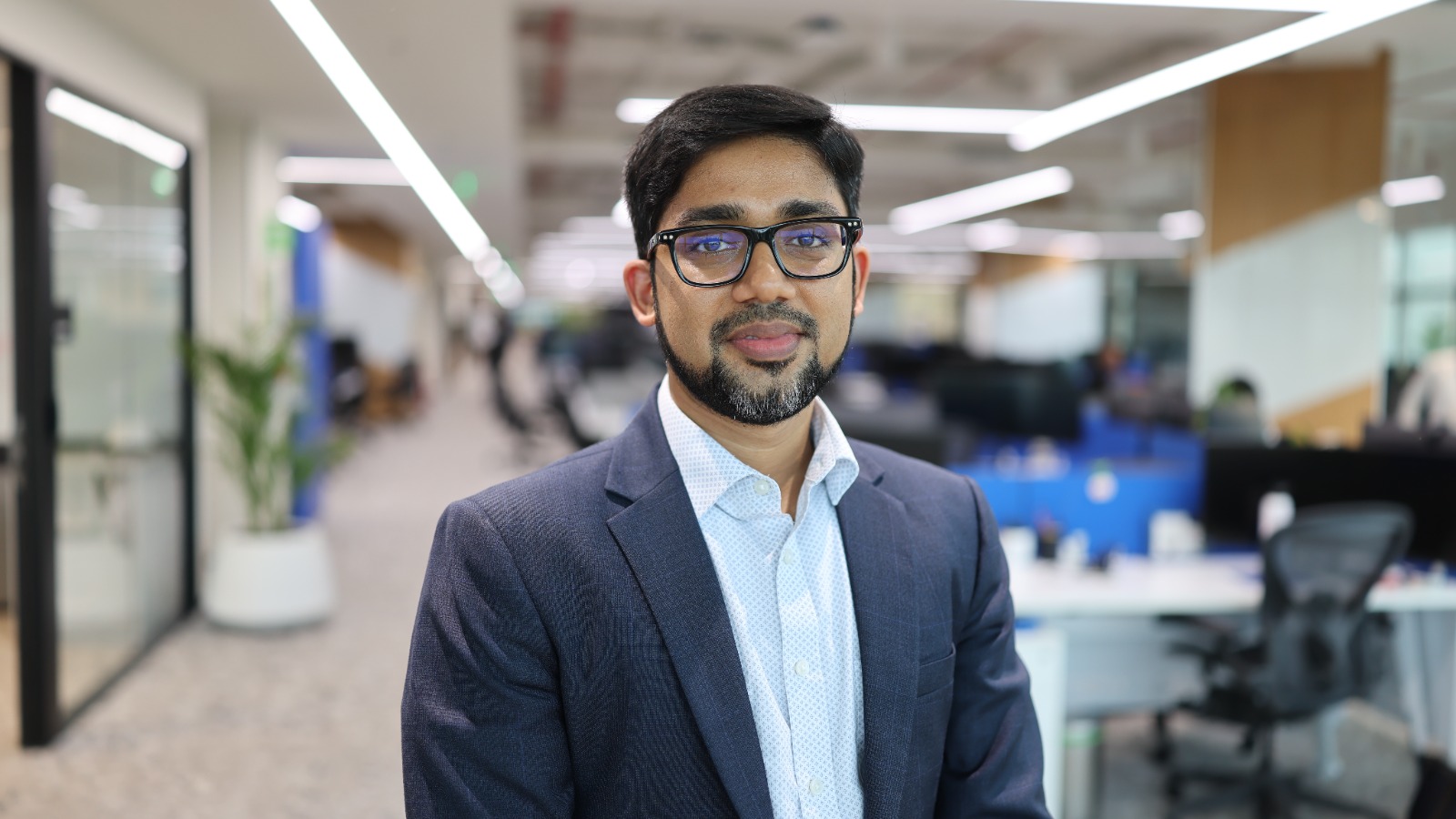 Abdullah Zubair, VP – Technology, BCE Global Tech
Securing AI agents is central to enterprise cyber resilience
“Most industry dialogue fixates on defending against adversarial AI. While critical, the more urgent blind spot is securing the autonomous AI systems enterprises deploy internally. As AI agents gain access to proprietary data, production workflows, and decision-making pipelines, they become privileged non-human identities. While AI accelerates defense through machine-speed anomaly detection, automated triage, and predictive threat hunting, it expands the attack surface. To prevent catastrophic lateral movement or prompt-injected hijackings, teams must enforce strict least-privilege access, dynamic runtime guardrails, and human-in-the-loop authorization for high-impact actions.
This is a regulatory imperative. With frameworks like the EU AI Act and privacy mandates, compliance can no longer be a point-in-time checklist. Organizations must prove where sensitive data resides, which models or agents can access it, and how decisions are generated. Our architecture embeds governance into the AI lifecycle. Combining fine-grained, context-aware access controls with end-to-end data lineage and immutable auditability, we prevent sensitive data exposure at the prompt and API layer, making compliance an automated byproduct of strong security.
Effective cybersecurity is defined by risk reduction, not tool count. Our platform unifies telemetry, identity governance, and runtime protection without operational bloat. By continuously mapping exposure pathways and constraining excessive permissions before an exploit occurs, we shift enterprises from reactive incident response to proactive blast-radius reduction. The most resilient enterprises will pair AI-driven defense with measurable, automated governance, scaling innovation without compromising trust.”
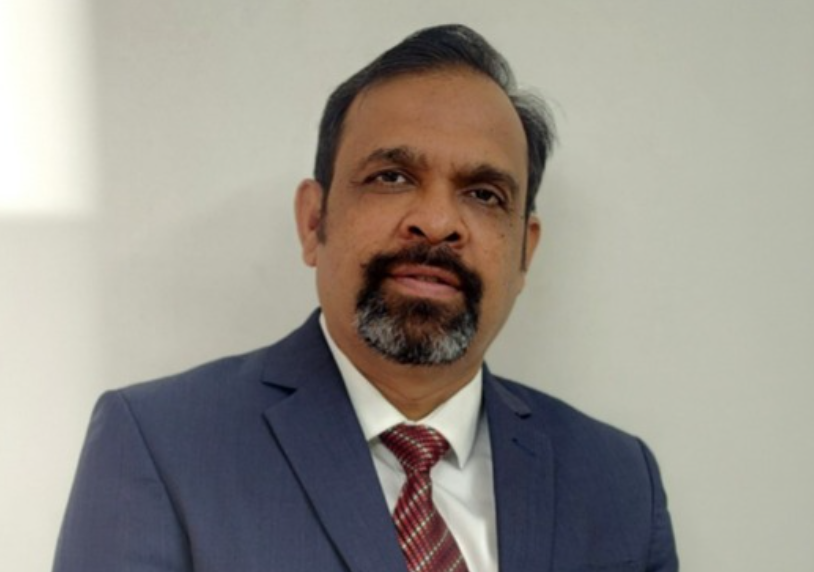 Ajaykumar Joshi, Country Manager, ESET
Combining AI speed and human expertise to secure enterprises
“AI is strengthening our ability to identify unfamiliar threats and help security teams respond faster. At ESET, we combine machine learning, behavioural analysis and cloud sandboxing to detect malicious activity beyond known malware signatures. Our new ESET AI Security module includes AI Agent Security and AI Behavioural Monitoring, which identifies suspicious AI activity on endpoints. ESET LiveAI, formerly ESET AI Advisor, helps analysts interpret security information, while our Managed Detection and Response (MDR) services provide round-the-clock monitoring, threat hunting and expert response. Our approach combines the speed of AI with human expertise and oversight.
Our approach focuses on protecting sensitive information and strengthening access controls. ESET’s encryption solutions help protect data if a device is lost or stolen, while ESET Secure Authentication adds multi-factor authentication to reduce the risk of unauthorised access through compromised passwords. Through ESET PROTECT, enterprises can centrally manage security policies and generate reports for reviews and audits. ESET PROTECT uses role-based access controls and encryption for data at rest and in transit, supporting an enterprise’s wider compliance programme.
ESET combines its threat research, multilayered prevention and expert response within a unified platform. ESET PROTECT brings together endpoint protection, cloud security, encryption and extended detection and response, with centralised management across distributed environments. Security and vulnerability reports, alongside ESET MDR incident reporting, help teams assess progress, prioritise investment and demonstrate how security supports business resilience.”
 Deepika Chauhan, Chief Product Officer, DigiCert
Verifiable AI identities and cryptographic agility are essential to enterprise trust
“Every AI agent that can access data, use a tool, or take an action should have its own verifiable identity. Enterprises should establish which agent is acting, who is responsible for it, and what it has been authorized to do. Its permissions should be reviewed as its roles change, and its authority revoked when it is retired or no longer trusted.
Traditional IAM remains essential, but it cannot carry the whole burden. With autonomous agents, organisations need to verify what authority has been delegated and whether it is still valid. Cryptographically verifiable identity and narrowly defined permissions can extend existing access controls to those interactions; they do not replace the need to monitor what agents actually do. Certificates, service accounts, API credentials, and other machine identities can be created across teams, clouds, and applications, often without a complete inventory or consistent owner. Enterprises need to connect discovery with ownership, policy, and ongoing lifecycle management.
CIOs need to know where credentials are used, automate their renewal and replacement, protect the keys behind them, and revoke credentials or authority when necessary. They should inventory machine identities, certificates, cryptographic dependencies, and AI agents, and assign an owner to each. They should build cryptographic agility into procurement and architecture decisions so the organisation can adopt new standards as requirements change. The goal is to make trust something the enterprise can verify and manage continuously.”
 Jay Thakker, Director, Solutions Engineering, Eventus Security
AI-powered security must match attack speed while keeping data sovereign
“Attackers are now using AI to generate phishing at scale, change malware on the fly and automate reconnaissance. A security operation that depends on analysts hand-writing rules will always be a step behind. At Eventus, we have built AI into every stage of the SOC lifecycle, from ingestion through to response. Our AI pipeline generates new detection rules automatically, typically in under 30 minutes, and our autonomous AI Investigator reduces the Mean Time to Respond for Critical and High incidents from hours to mere minutes.
Our core principle is that security telemetry is itself sensitive data and should be protected that way. Our AI enrichment runs on LLMs hosted within a sovereign MeitY-compliant data center, so customer logs are not sent to third-party public AI services for analysis. For government, BFSI and critical-infrastructure organizations, we also offer fully on-premises SOC deployments. This model fits with India’s regulatory direction, including the Digital Personal Data Protection Act, CERT-In’s incident-reporting timelines, and sector frameworks from RBI and SEBI.
Eventus has engineered its own platform end to end instead of assembling third-party tools. Our Rust-based collector and data pipeline each handle around one million events per second. Persona-based analytics and SOC health KPIs turn security into outcomes leadership can track. For Indian enterprises moving to an AI-first economy, AI-powered security needs to match the speed of AI-powered attacks while keeping data sovereign and compliance demonstrable.”
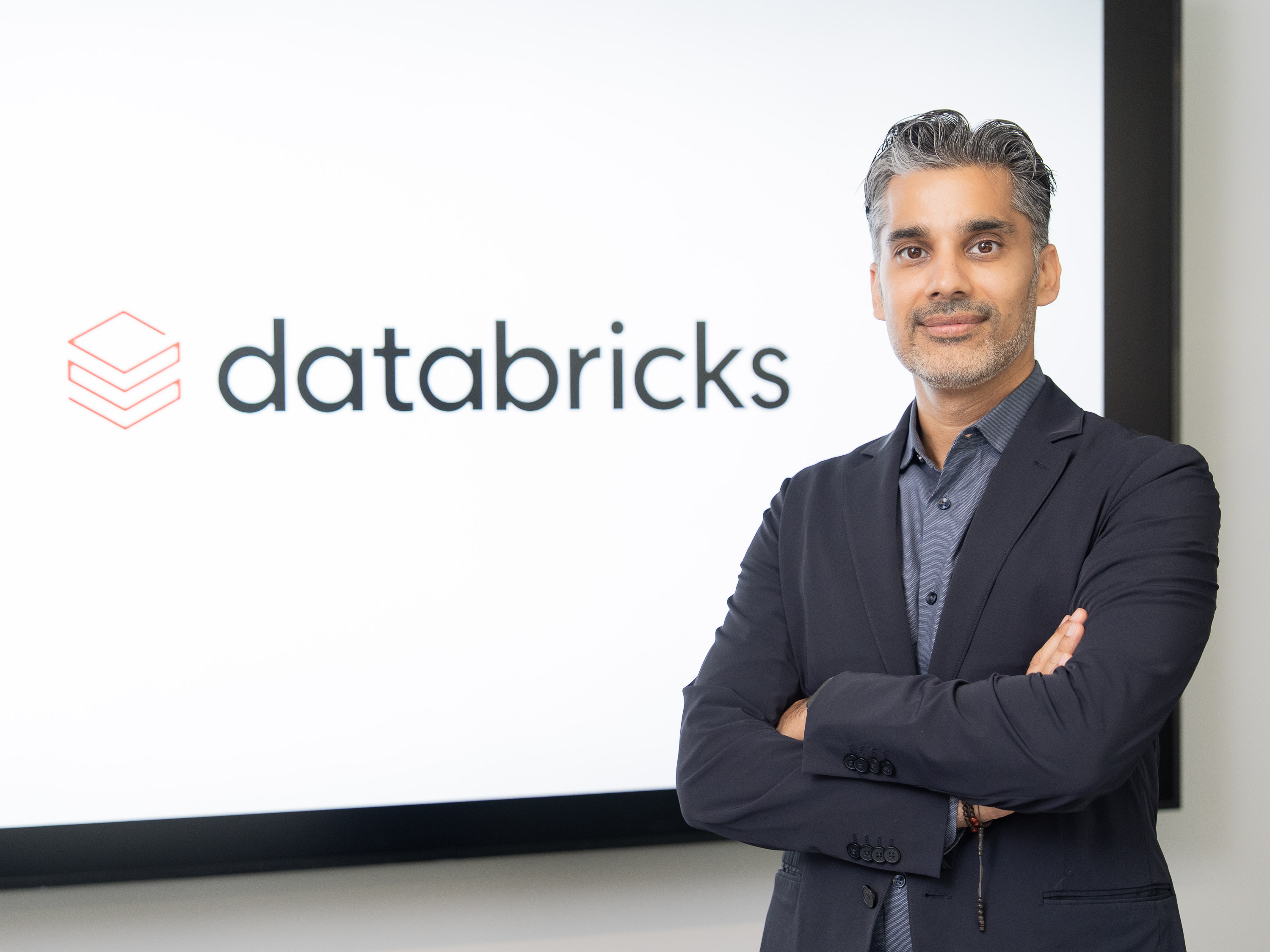 Omar Khawaja, CISO, Databricks
Open, agentic SIEM combines AI-speed defence with full data ownership
“As India’s enterprises accelerate their digital ambitions, attackers are keeping pace, deploying AI-generated phishing, deepfakes, and autonomous exploit campaigns that move faster than any human analyst can respond. Legacy security tools were built for yesterday’s data volumes and human-speed threats; they cannot keep up. That is why we built Lakewatch, the industry’s first open, agentic SIEM, designed to fight AI-speed attackers with AI-speed defence. Lakewatch modernises the SOC with AI agents that automate detection, triage, hunting, and response, while enabling enterprises to analyse structured and unstructured data in open formats that are cost-effective and free from vendor lock-in.
Lakewatch is built natively on the Databricks Data + AI Platform, which means security, IT, and business data are unified in a governed security lakehouse under a single permissions model through Unity Catalog. Enterprises retain full ownership of their data in open formats, making it straightforward to meet evolving regulatory and compliance requirements while maintaining complete visibility across their environment.
What sets Lakewatch apart is that it eliminates the forced trade-off between visibility and cost. By decoupling storage from compute, enterprises can ingest 100% of their security telemetry, retain years of full-fidelity data, and run advanced analytics at scale, reducing security operations costs by up to 80%. This is proactive, measurable protection: fewer blind spots, faster response, and a platform that scales with the threat landscape rather than against the budget.”
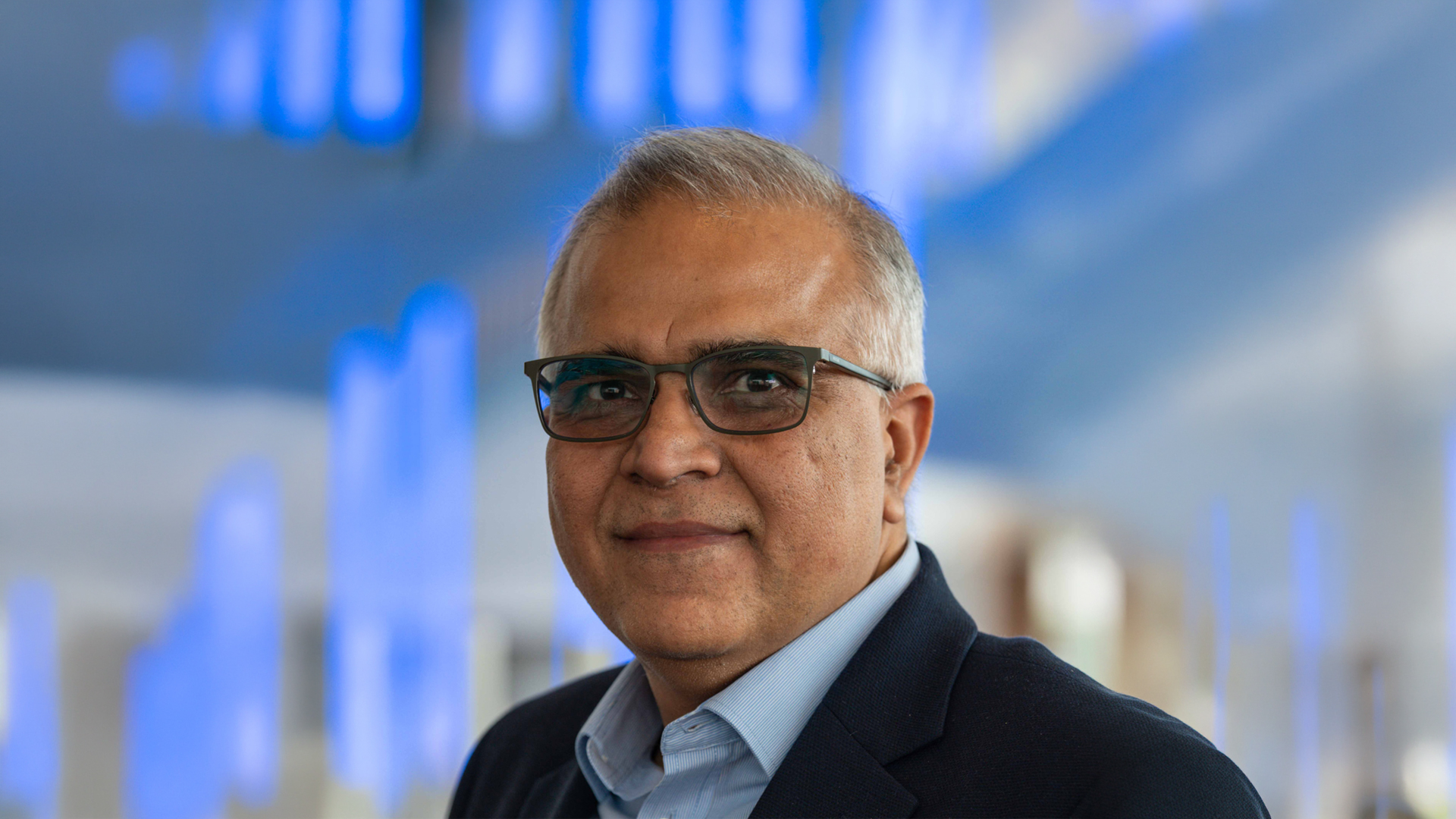 Parag Khurana, Country Manager – India, Barracuda Networks
Integrated security helps enterprises build resilience and innovate with confidence
“AI is changing cybersecurity on both sides of the equation. Attackers can use AI to increase the speed, scale, and sophistication of attacks, while defenders can apply AI to analyse signals, identify suspicious behaviour and respond faster. For Indian organisations, this makes integrated intelligence increasingly important. Barracuda uses AI across our security technologies to strengthen threat detection and response, with BarracudaONE bringing protection across areas including email, AI, data, applications, identity, networks, and managed XDR within an open ecosystem.
Securing an AI-first enterprise also means securing AI itself. Employees are adopting generative AI tools rapidly, potentially creating new data, privacy, and compliance risks when sensitive information is shared without appropriate oversight. Barracuda AI Data Security is designed to give organisations visibility into AI usage, assess risk, and apply governance controls by inspecting prompts and uploads, helping prevent sensitive information from reaching GenAI services and generating audit-ready evidence of policy enforcement.
Barracuda’s differentiator is bringing these capabilities together rather than treating each risk in isolation. An integrated approach enables organisations to connect protection, detection and response while reducing the complexity of managing fragmented security tools. BarracudaONE provides reporting designed to turn technical security information into actionable insights and demonstrate operational impact. For enterprises navigating rapid AI adoption, the goal should be more than blocking attacks: it is building resilience, protecting critical data and creating the confidence to innovate securely.”
 Sanjay Bhardwaj, Managing Director, India and ASEAN, Vehere
Network visibility and AI-driven intelligence help enterprises detect and investigate threats
“As attackers use AI to accelerate attacks and evolve their evasion techniques, network visibility helps expose malicious activity that traditional endpoint security may miss. The Vehere Network Detection and Response (NDR) solution combines supervised and unsupervised machine learning, behavioral analytics and threat intelligence to identify known threats and uncover anomalous network activity that may evade signature-based detection. Vision AI, Vehere’s multi-agent intelligence fabric, enriches alerts with detection rationale and threat context, helping analysts prioritize threats and make informed response decisions.
Many regulatory frameworks and compliance mandates emphasize the need for effective threat detection and response mechanisms. Vehere NDR helps organizations strengthen network security while maintaining control over sensitive data. Its built-in Full Packet Capture (PCAP) capability enables organizations to retain network telemetry and packet data within their own infrastructure. Policy-based personally identifiable information (PII) masking and hashing help protect sensitive information, while configurable retention policies and access controls support data governance and evidence preservation.
Vehere differentiates itself through a unified platform that combines full packet capture, detection, investigation and network forensics, giving security teams a single-pane-of-glass experience without disjointed tools or workflows. By analysing network activity and correlating threats with packet-level evidence, Vehere enables proactive threat detection and end-to-end investigation, from initial detection to root-cause analysis. This helps enterprises improve visibility, accelerate incident response and measure effectiveness through investigation efficiency and reduced time to identify and resolve threats.”
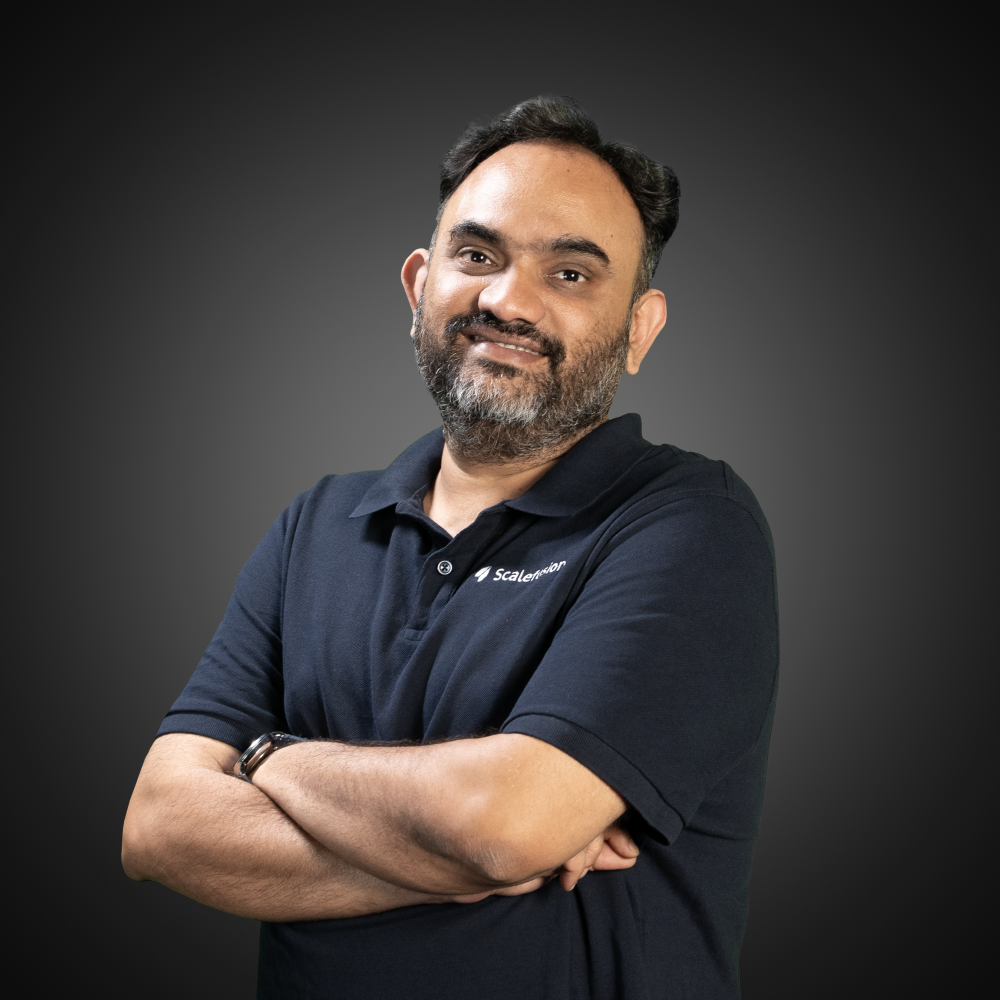 Sriram Kakarala, Chief Product Officer, Scalefusion
Zero trust and context-aware access are central to measurable security
“I think the biggest cybersecurity challenge in an AI-powered enterprise right now is that trust has become extremely fragile. Just because an app or a device worked safely yesterday does not automatically grant it implicit trust to be safe today.
Data security is only as strong as our understanding of the context in which data is accessed, used and secured. And in an enterprise, that context rarely stays the same. That understanding is central to how we've built Scalefusion.
Through UEM, Veltar and OneIdP, we bring endpoint management, security, identity and access together through a single centralized dashboard, grounded in a Zero Trust approach. The idea is to connect what has traditionally been treated as separate security decisions: whether a device can be trusted, whether a user should have access, and what happens when either of those conditions changes.
For me, the real test of security isn't simply whether a policy exists, but whether an enterprise can enforce it consistently, adapt it as risks evolve, and demonstrate that it's working. That's particularly important as data privacy and regulatory expectations continue to change.
I think what sets us apart is that we don't treat security as a collection of alerts from disconnected tools. At Scalefusion, device posture shapes access decisions. A compliance gap triggers a fix. The security controls travel with the endpoint, regardless of where the work happens. The benefit is that it keeps security measurable.
Enterprises should be able to track compliance posture, unresolved vulnerabilities, remediation time and access-policy violations. As AI makes threats faster and harder to predict, the advantage comes from shrinking the time between detecting exposure and actually removing it.”
 Sunil Peter, Vice President, Maveric Systems
Privacy, governance and AI-driven defence are central to business resilience
“The cybersecurity race is now AI versus AI. Attackers are using AI to operate faster and at greater scale, while defenders are using the same technology to detect anomalies, investigate threats and contain attacks before they escalate. Our strategy is to harness AI and agentic capabilities for increasingly proactive defence, while ensuring that AI itself is securely designed, governed and monitored. The winners will be those who combine intelligent automation with strong governance and human judgement.
Privacy is moving from a compliance obligation to a core element of digital trust. Enterprises need to know what sensitive data they hold, why they process it, who can access it and how it is protected throughout its lifecycle. Our approach brings security, privacy and governance together so that regulatory compliance becomes a continuous capability rather than a periodic exercise. The objective is not simply to meet today’s requirements, but to build a resilient privacy foundation that can adapt as regulations, technologies and business models evolve.
Beyond being a technology issue, cybersecurity is a measure of business resilience. As threats move at machine speed, enterprises must quickly turn intelligence into action. AI gives us the ability to anticipate risk, accelerate containment and strengthen resilience at scale, while keeping governance and human judgement at the core. Success is measured by less exposure, faster recovery and the confidence to keep the business moving through disruption.”

See What’s Next in Tech With the Fast Forward Newsletter


Tweets From @varindiamag
Nothing to see here - yet
When they Tweet, their Tweets will show up here.