Musk–Xi Space Threats Raise Global Concerns
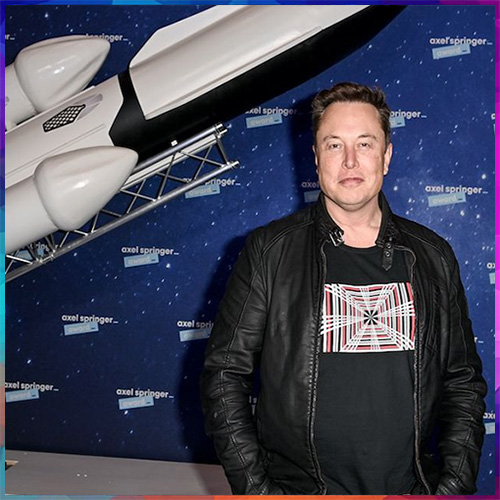
A viral social media controversy involving Elon Musk and Chinese President Xi Jinping has intensified discussions surrounding satellite warfare, cybersecurity and geopolitical tensions. The alleged exchange features extraordinary military threats involving Starlink satellites and critical national infrastructure, although the authenticity of these statements remains unverified.
The circulating post claims Musk warned that cyberattacks against Starlink or other space-based infrastructure could trigger devastating retaliation against an aggressor's electricity grid. Such claims suggest the existence of autonomous orbital strike capabilities capable of executing attacks within seconds, although no credible evidence substantiates these extraordinary assertions.
In response, the viral narrative attributes a warning to Xi Jinping, suggesting China could deploy advanced anti-satellite weapons to destroy Starlink's satellite network. However, neither the alleged confrontation nor the specific threats have been independently authenticated, raising concerns about fabricated political statements spreading through digital platforms.
Beyond the questionable claims, the underlying security challenge is substantial. Satellites have become indispensable to global communications, navigation, financial systems, military operations and emergency response services. Disrupting these networks could create widespread economic instability, compromise national security and interrupt essential civilian services.
The United States, China and other technologically advanced nations are expanding their space-security capabilities, including satellite monitoring, electronic warfare and counterspace technologies. Meanwhile, commercial operators such as SpaceX are becoming increasingly important to national security, creating new challenges around accountability, escalation and infrastructure protection.
Equally concerning is the growing sophistication of digital misinformation. AI-generated narratives, fabricated quotations and manipulated online content can rapidly influence public perceptions and intensify international tensions. Without reliable verification mechanisms, sensational claims involving influential leaders risk being mistaken for official geopolitical positions.
Ultimately, the controversy underscores two interconnected threats: the militarisation of space and the weaponisation of misinformation. Governments and technology companies must strengthen satellite cybersecurity, establish credible information-verification mechanisms and promote responsible international cooperation. In an era of AI-driven deception, protecting the truth may become as strategically important as protecting satellites themselves.

See What’s Next in Tech With the Fast Forward Newsletter








Tweets From @varindiamag
Nothing to see here - yet
When they Tweet, their Tweets will show up here.