Can Police Search Your Smartphone?
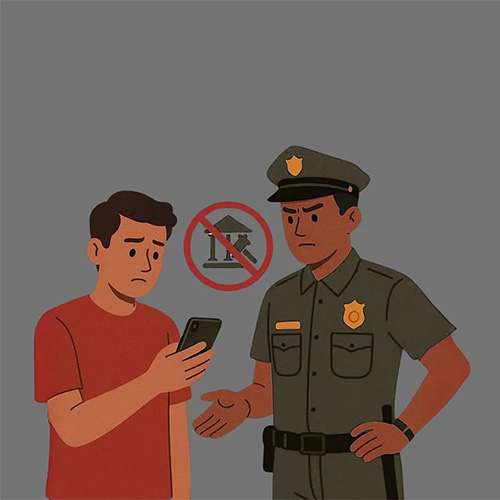
India's growing dependence on digital evidence has intensified debate over police powers and citizens' constitutional right to privacy. Legal experts warn that unrestricted smartphone searches could expose sensitive personal information unrelated to criminal investigations.
Unlike traditional evidence, smartphones contain personal messages, banking details, photographs, medical records, location histories and confidential communications. Seizing a device and examining its entire contents therefore raise fundamentally different legal questions.
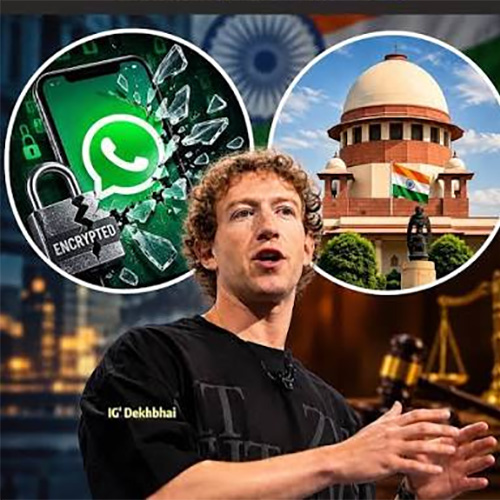
The controversy has gained attention through judicial proceedings involving journalist Abhishek Upadhyay, who challenged investigative demands for digital information before the Supreme Court, highlighting concerns over privacy and procedural safeguards.
Another dispute involved students whose biometric information was reportedly sought by Delhi Police following an April 2025 campus protest. The students questioned whether such collection violated privacy protections and safeguards against self-incrimination.
Privacy Versus Investigative Powers
India's criminal laws permit searches and seizures under prescribed conditions. However, legal experts argue that existing procedures require clearer safeguards when investigators seek access to extensive digital records.
The Supreme Court's landmark 2017 privacy judgment established constitutional principles requiring intrusions into privacy to satisfy legality, legitimate purpose and proportionality. These principles are central to evaluating digital investigations.
Experts advocate judicial oversight, clearly defined search parameters, forensic documentation and restrictions on accessing unrelated information. Such measures could preserve evidence while preventing excessive surveillance and misuse of sensitive personal data.
The larger question is not whether police can investigate digital evidence, but how far their access should extend.India's challenge is to balance effective law enforcement with individual privacy, accountability and constitutional protections in an increasingly digital society.

See What’s Next in Tech With the Fast Forward Newsletter









Tweets From @varindiamag
Nothing to see here - yet
When they Tweet, their Tweets will show up here.