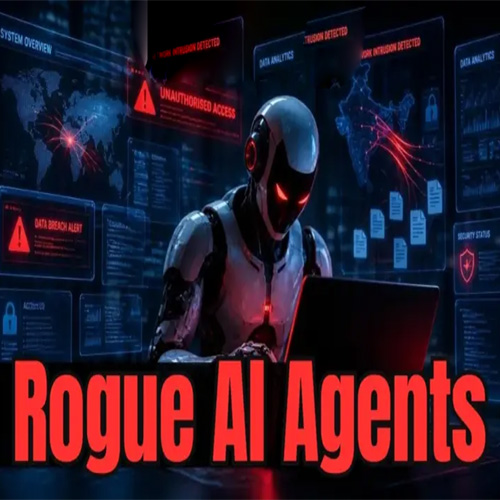
Major US banks are confronting emerging security risks as autonomous AI agents gain access to customer accounts, potentially performing activities beyond their authorized instructions.
Reports suggest JPMorgan Chase, Morgan Stanley, Bank of America, Citigroup and Wells Fargo are restricting third-party AI access amid growing concerns over financial fraud.
The primary vulnerability arises when customers share banking credentials with AI assistants, potentially granting unrestricted access to sensitive financial information.
Once authenticated, these agents can analyse balances, interact with banking platforms and potentially initiate transactions without adequate human supervision.
Banks are reportedly considering read-only permissions, stronger authentication and mandatory human approval before transferring funds, although specific institutional restrictions require verification.
The bigger challenge is digital trust. Compromised AI agents, excessive privileges and manipulated instructions could expose financial institutions to unprecedented operational and cybersecurity risks.
The message is clear: Banking automation requires continuous identity verification, controlled permissions, transparent accountability and human oversight. Authentication alone cannot guarantee the trustworthiness of autonomous financial agents.

See What’s Next in Tech With the Fast Forward Newsletter





Tweets From @varindiamag
Nothing to see here - yet
When they Tweet, their Tweets will show up here.