SpaceX closes $40 billion debt deal to buy AI chips as Musk predicts shake-out among smaller rivals
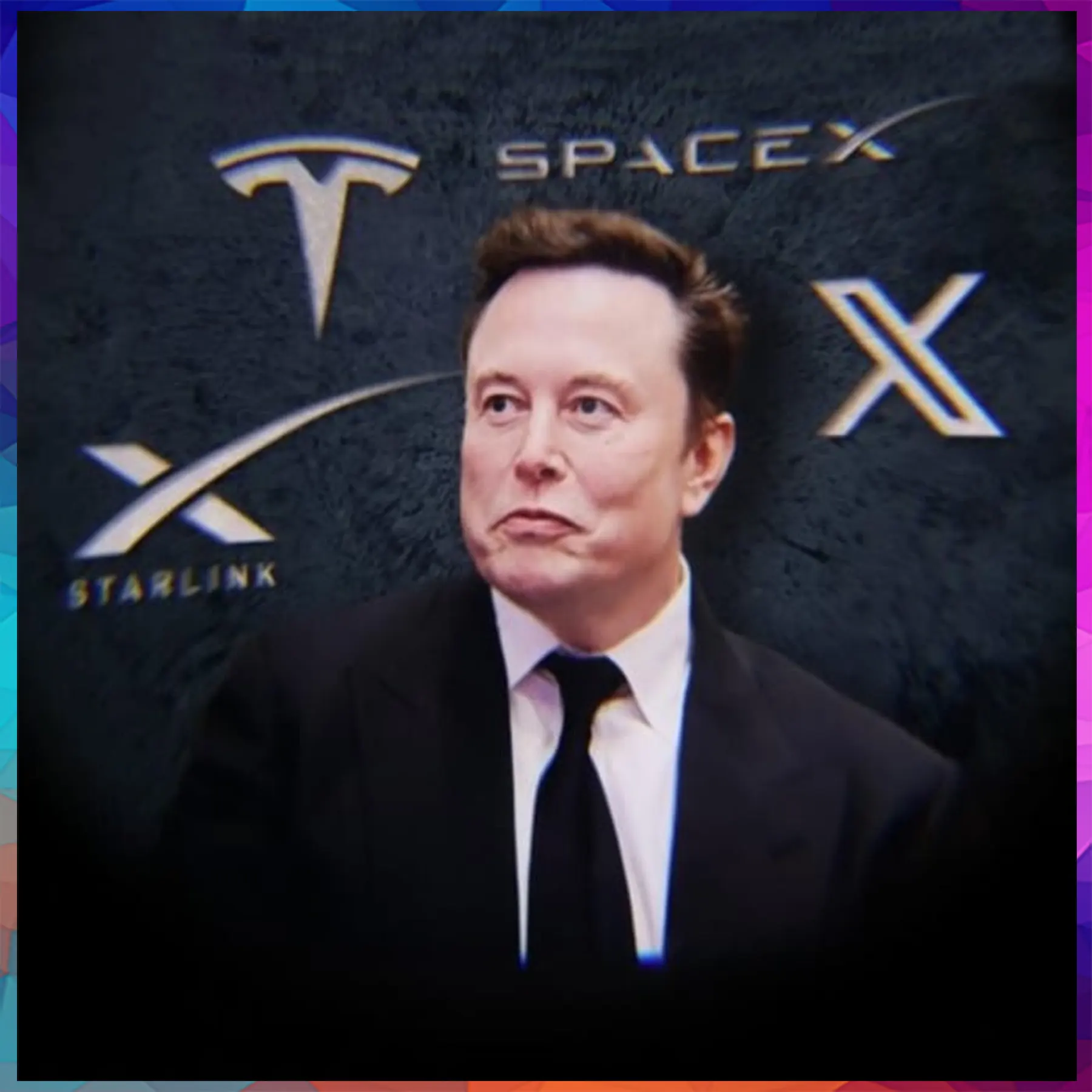
Elon Musk says the investment-grade rocket and satellite company secured the financing for GPUs and AI hardware while credit markets tighten for firms reliant on data centres alone, forecasting heavy consolidation among so-called neoclouds.
SpaceX has locked in a $40 billion debt financing package dedicated to buying graphics processors and other artificial intelligence chips, a move that points to a sharp acceleration in the company’s computing build-out.
Chief executive Elon Musk disclosed the deal in a post on X, saying the money will chiefly support callable debt tied to hardware deliveries expected in the first and second quarters.
Why Musk says the deal matters
Musk framed the transaction as evidence of how much the lending climate has shifted. Over recent weeks, he wrote, debt markets have all but closed their doors to businesses that lack significant revenue beyond AI data centres. SpaceX, he argued, was able to raise its funds because it holds an investment-grade rating and earns income from Starlink and its launch business.
He used the contrast to deliver a bleak forecast for “neoclouds”, the new breed of companies that rent out AI computing capacity. By his count there are more than 200 of them, and he predicted many will vanish or be absorbed by larger players. A few, he said, will survive, but not many.
Musk’s argument rests on a simple point: lenders are growing wary of firms whose entire business depends on independent AI data centres with no other cash flow behind them. If credit stays tight, he suggested, those companies will struggle to fund the expensive hardware they need to compete.
The cost of the AI race
The size of the raise underlines how expensive the artificial intelligence boom has become. Leading technology groups are racing to secure scarce computing power, and the sums involved now rival the budgets of major industrial projects.
Musk credited SpaceX’s financial standing for making the deal possible, pointing to the steady earnings from its satellite internet service and rocket launches. Those revenue streams, he implied, give the company a cushion that pure-play AI infrastructure providers do not have, and the financing offers a strategic buffer before a heavy round of equipment purchases.
Spending expectations are already high. Chief Financial Officer Bret Johnsen has previously indicated that capital expenditure in the fourth quarter alone could land between $35 billion and $40 billion. That projection shows how quickly the company is committing funds, even as it works to protect its credit rating.
The announcement came from Musk’s own account rather than a formal filing, and the full terms of the debt, including lenders and pricing, were not detailed in his post. Whether his prediction of widespread failures among neocloud firms proves accurate will depend on how long credit conditions remain restrictive.

See What’s Next in Tech With the Fast Forward Newsletter








Tweets From @varindiamag
Nothing to see here - yet
When they Tweet, their Tweets will show up here.