OpenAI launches GPT-6.1 Terra, an AI model that can see your screen and do your computer work
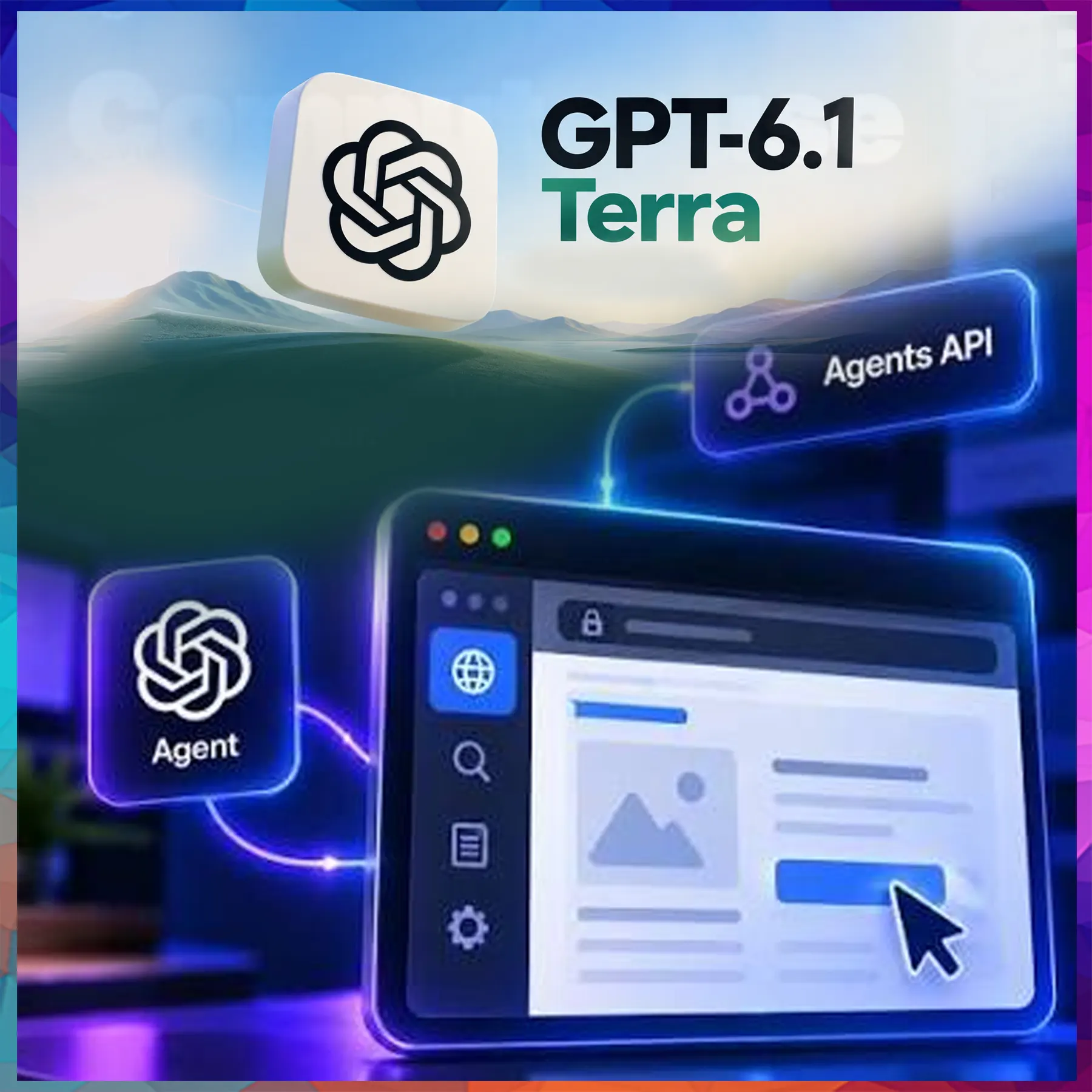
The mid-range model can click, type and move between apps to finish multi-step tasks, runs about three times faster than heavier siblings, and costs half as much for developers, OpenAI says.
OpenAI has introduced GPT-6.1 Terra, a new artificial intelligence model designed to operate a computer much as a human user would. Launched on October 26, 2026, it moves beyond answering questions in a chat window and aims to act as a working digital assistant.
Announcing the release on X, OpenAI CEO Sam Altman said the model is strong across many areas, but that the company is especially excited about what he called a new era of computer use.
A model that uses the screen
Unlike earlier systems that mainly generate text, GPT-6.1 Terra can visually interpret what appears on a display and interact with software directly. It can click, type and switch between applications to complete tasks that involve several steps.
OpenAI says businesses could use it to transfer invoice details into accounting software, fill out lengthy online forms, prepare proposals or convert architectural drawings into 3D models. The stated aim is to hand repetitive digital chores to the AI without constant human supervision.
The model is positioned as a significant upgrade over GPT-5.6 Terra. OpenAI claims it finishes tasks roughly three times faster on average than its heavier models, GPT-6.1 Sol and GPT-6 Astra. For developers, the company has cut standard API prices by 50 per cent compared with the previous version. Pricing now stands at $1 per million input tokens and $5 per million output tokens, which makes it attractive for firms running automated workflows at scale.
Fewer errors, stronger coding
OpenAI also says the new model is more reliable. In its internal tests, the error rate on simple tasks fell sharply, from 53.6 per cent in the older version to 16.7 per cent. At maximum reasoning effort, the error rate dropped further to 4.3 per cent. These figures come from the company’s own evaluations and have not been independently verified.
Coding performance has improved too. According to OpenAI, the model scored more than double its predecessor on complex terminal benchmarks. It is already being rolled out to programmers through platforms such as GitHub Copilot.
Where Terra sits in the lineup
OpenAI’s current model family includes Luna, Terra, Sol and Astra. Luna is the lightweight option, while Sol and Astra are built for demanding, heavy-duty work. Terra occupies the middle tier. The latest release brings it up to the GPT-6.1 generation, following updates to Sol and Luna last month.
GPT-6.1 Terra is available immediately through ChatGPT Plus, Pro, Enterprise and Edu subscriptions in ChatGPT Work and Codex, as well as through OpenAI’s API and Amazon Bedrock.

See What’s Next in Tech With the Fast Forward Newsletter







Tweets From @varindiamag
Nothing to see here - yet
When they Tweet, their Tweets will show up here.