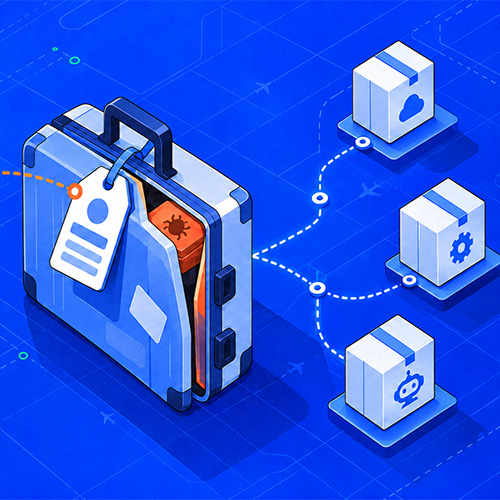
A reported supply-chain compromise involving LiteLLM version 1.107.0 has raised serious concerns about the security of open-source AI infrastructure. The malicious release allegedly distributed credential-stealing malware through Python packages and official Docker images.
LiteLLM is widely used to connect applications with multiple large language models. Its integration into enterprise AI environments makes compromised distributions particularly dangerous for developers, cloud operators and security teams.
Investigators reported that all seven PyPI wheels associated with the affected release contained malicious components. The compromised packages allegedly originated from a lookalike GitHub repository, highlighting weaknesses in software publishing and release verification.
The malware reportedly performed two functions: harvesting sensitive credentials and installing an hourly remote-code loader. This combination could enable attackers to steal secrets and subsequently execute additional malicious instructions.
Potentially exposed information includes API keys, cloud credentials, authentication tokens and environment variables. Such secrets could provide attackers with access to AI services, enterprise applications, databases and connected infrastructure.
The reported contamination of official Docker images, including latest tags, expands the concern beyond Python developers. Organisations relying on automated deployments could unknowingly introduce compromised components into production environments.
Security teams should immediately identify affected installations, isolate suspicious workloads, review published indicators of compromise and rotate potentially exposed credentials. Rebuilding environments from independently verified releases is essential because uninstalling a malicious package may not eliminate persistence.
The larger warning is that AI adoption is expanding faster than software supply-chain governance. Enterprises must enforce package provenance, signed releases, dependency monitoring, least-privilege credentials and continuous runtime verification. Trusting an official repository or container image alone is no longer sufficient to guarantee security.

See What’s Next in Tech With the Fast Forward Newsletter







Tweets From @varindiamag
Nothing to see here - yet
When they Tweet, their Tweets will show up here.