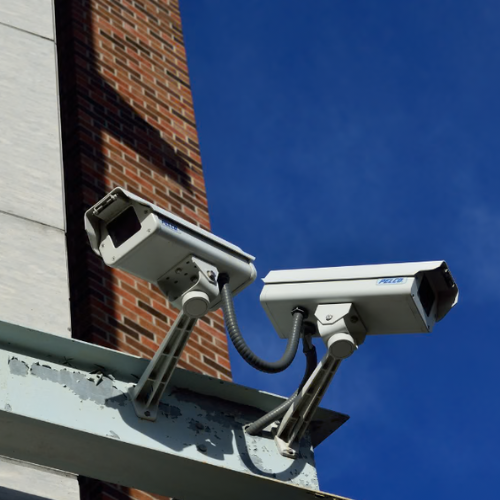
The world’s rapidly expanding network of internet-connected cameras is emerging as a powerful and largely unguarded tool for wartime spying.
Analysts warn that these ubiquitous devices, built for security and convenience, can be quietly turned into instruments of surveillance. The scale is staggering.
The global installed base of video surveillance cameras is projected to reach 1.2 billion by 2030, up from roughly a billion today, driven by advances in AI and edge computing that make cameras smarter sensors.
That same connectivity is the vulnerability. In early 2026, nation-state actors, reportedly from Iran and Russia, intensified operations targeting internet-connected cameras across the Gulf and Eastern Europe, exploiting known flaws to gain access.
Once compromised, cameras become remote eyes. Attackers establish command-and-control channels for live surveillance and data exfiltration, peering into government facilities, critical infrastructure and conflict zones through unencrypted feeds.
The risk is amplified by geography. Over half of all surveillance cameras sit in China, and two Chinese firms dominate the global market, raising fears about supply-chain access and concentrated control.
Experts urge urgent action: stronger device security, encryption, network segmentation and regulatory oversight. In an era of digital conflict, an unpatched camera is no longer a private matter but a potential national-security breach.

See What’s Next in Tech With the Fast Forward Newsletter









Tweets From @varindiamag
Nothing to see here - yet
When they Tweet, their Tweets will show up here.