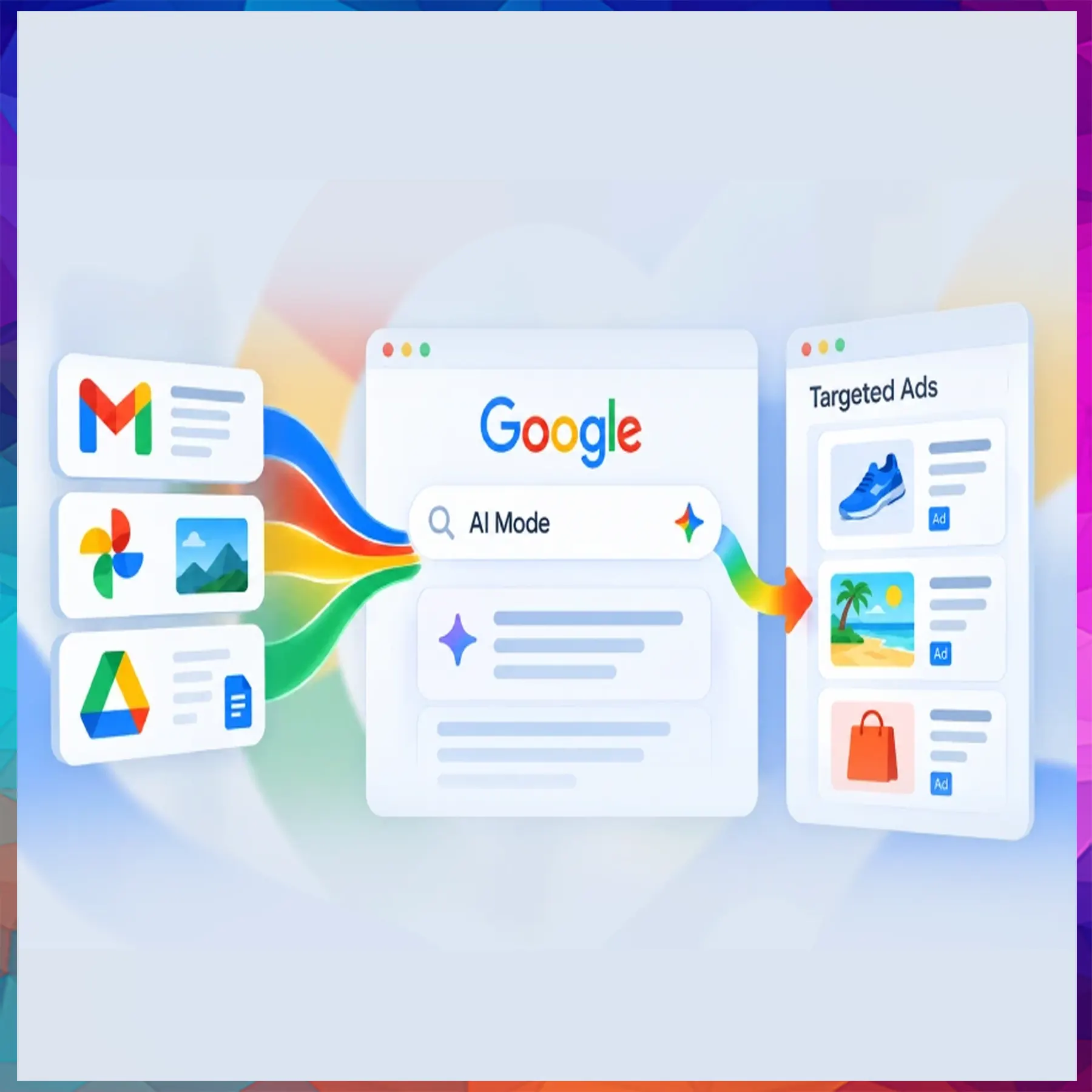
Revised terms say connected apps can inform ad personalisation through Search when users opt in to Personal Intelligence; Google says advertisers never see the underlying content or identifying details.
Google has revised its privacy policy in a way that could let information from your Gmail and Google Photos influence the advertisements you see, though only if you have switched on the company’s Personal Intelligence tools.
The updated terms took effect on 16 October. They draw a line between two things: Google says it does not directly mine Drive, Gmail or Photos to run its standard advertising business, but it does draw on those services to power Personal Intelligence, which then feeds into personalisation across its products.
What Personal Intelligence does
Rolled out earlier this year, Personal Intelligence is an opt-in feature meant to make Google’s AI offerings more relevant to the individual. Rather than returning one-size-fits-all replies, Gemini and Google Search can consult a user’s linked apps, such as Gmail and Photos, and shape their responses around what they find there.
The policy text spells out how this works. It says people may let certain services, including Search and the Gemini apps, reach data held in other Google products like Photos, Gmail and Drive, to deliver a more customised experience, subject to the policies and settings of the service doing the accessing.
The wording goes further on advertising. According to the document, Search may handle some of the data a user permits it to see in order to personalise content, ads included. It adds that, depending on settings, users may be shown ads informed by their interests, activity or personalised content from Google services.
Safeguards Google has outlined
The company has tried to head off privacy worries. It says advertisers do not receive any material from Drive, Gmail or Photos, nor details that could identify a person, such as a name or email address. It also says it will not serve ads built around sensitive subjects, including race, sexual orientation, religion and health.
Even so, the change is likely to prompt questions from privacy advocates about how clearly users understand the trade-off when they enable a convenience feature that quietly widens the pool of data feeding ad personalisation.
How to switch it off
Users who would rather keep their personal content out of the ad ecosystem can cut the connection themselves:
· Open your Google Account and scroll to Data and privacy.
· Under Personalisation and activity, choose Personalisation settings.
· Select Manage Personalised Recommendations in Search Services.
· Look for Connected Content apps under Additional Personal Intelligence.
· Disconnect Google Workspace and Google Photos to stop Search from accessing that content.
Since Personal Intelligence is opt-in, anyone who never enabled it should not be affected. Those who did may want to review their settings.

See What’s Next in Tech With the Fast Forward Newsletter









Tweets From @varindiamag
Nothing to see here - yet
When they Tweet, their Tweets will show up here.