Festive Shopping: Beware of Digital Fraud

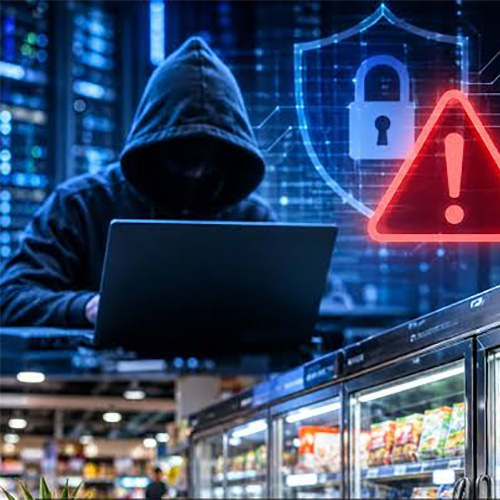
India's festive shopping season has become a lucrative hunting ground for cybercriminals. As consumers embrace online discounts, digital payments and doorstep deliveries, fraudsters are exploiting excitement, urgency and trust to execute increasingly sophisticated financial scams.
Fake shopping websites and cloned e-commerce applications represent major threats. Cybercriminals imitate popular brands, advertise unbelievable discounts and collect payments for products that never arrive. Suspicious URLs, missing contact information and unrealistic offers are warning signs.
AI-powered phishing and deepfake scams are making deception harder to detect. Fraudsters use synthetic voices, celebrity impersonations and convincing promotional messages to lure shoppers into revealing passwords, banking credentials and sensitive personal information.
UPI and QR-code frauds are particularly dangerous. Scammers promise cashback, refunds or festive rewards while tricking victims into authorising payments. Consumers must remember that entering a UPI PIN is never necessary to receive money.
Fake delivery notifications and customer-care impersonation are equally widespread. Messages claiming failed deliveries, incorrect addresses or pending refunds redirect users to malicious websites. Fraudulent support agents may request OTPs or persuade victims to install remote-access applications.
Another emerging threat involves fraudulent festive giveaways and investment schemes circulated through WhatsApp, Instagram and other social platforms. Criminals exploit familiar brand identities and limited-time offers to manipulate consumers into transferring money or downloading malicious applications.
Cybersecurity experts recommend shopping through verified platforms, checking payment recipients, enabling transaction alerts and avoiding unsolicited links. Victims should immediately contact their banks and report incidents through India's cybercrime helpline 1930 or the National Cyber Crime Reporting Portal.
The larger concern is the growing industrialisation of digital fraud through artificial intelligence. Banks, telecom operators and e-commerce platforms must strengthen real-time fraud detection, identity verification and transaction monitoring. As India celebrates its festivals digitally, cybersecurity awareness and proactive verification must become essential consumer habits.

See What’s Next in Tech With the Fast Forward Newsletter







Tweets From @varindiamag
Nothing to see here - yet
When they Tweet, their Tweets will show up here.