Nvidia Spy Scandal Deepens Global AI Rift
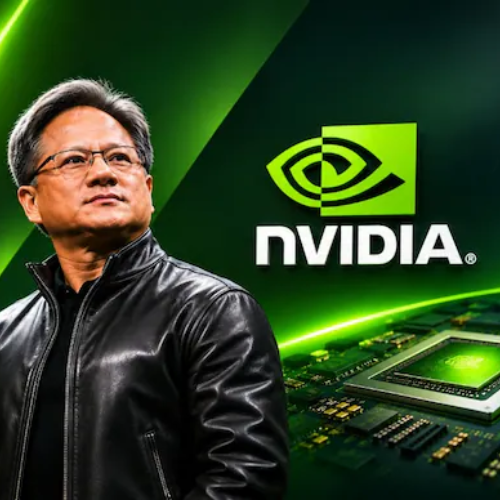
Nvidia's leadership crisis has escalated into a geopolitical controversy, combining alleged Chinese espionage, restricted AI-chip transfers, and growing scrutiny of Washington's semiconductor policies.
The Wall Street Journal reports that American officials suspect Chinese intelligence targeted Nvidia's former CEO, Jensen Huang, through his relationship with businesswoman Alice Huang.
Huang resigned following revelations about extramarital relationships. Nvidia initiated an independent investigation but maintained that it had no reason to believe corporate secrets or national security were compromised.
The controversy reflects broader American concerns about China's intelligence-gathering operations targeting advanced technologies, particularly artificial intelligence, semiconductor manufacturing, and strategic computing infrastructure.
Meanwhile, Bloomberg reported that restricted Nvidia processors were discovered at a Shanghai data center associated with a company previously founded by Alice Huang.
Documents reportedly identified servers containing H800, H100, and H200 processors, raising questions about how restricted American technology reached Chinese facilities despite export controls.
However, the available evidence does not establish Alice Huang's direct involvement in acquiring those processors. Megaspeed has denied illegal transfers, while espionage allegations remain disputed.
Another Wall Street Journal investigation highlights Jensen Huang's influential relationship with President Donald Trump, particularly his role in shaping AI policy and semiconductor export discussions.
This relationship has attracted congressional scrutiny over whether commercial interests received excessive influence in decisions affecting America's technological competitiveness and national security.
Meanwhile, the Stand With Jensen campaign reflects a competing perspective emphasizing Huang's contributions to American technological leadership, although its specific arguments require independent examination.
The larger issue extends beyond one executive. Nvidia's crisis exposes vulnerabilities in semiconductor traceability, corporate governance, intelligence security, and geopolitical policymaking. Protecting America's AI leadership requires transparent investigations, enforceable export controls, and independent oversight without allowing unproven allegations to substitute for verified evidence.

See What’s Next in Tech With the Fast Forward Newsletter







Tweets From @varindiamag
Nothing to see here - yet
When they Tweet, their Tweets will show up here.